
Nobody cares what your hotel is called
(Until they do.)
On its own, a name means almost nothing. It’s only after years of consistency that it starts to mean everything.
You’ve probably been in that naming meeting. The one where everyone has an opinion, nobody can agree, and somehow the most forgettable option starts to feel like the safest one.
Naming a hotel is one of the most emotionally charged moments in development — and one of the most misunderstood. The pressure to find a name that says everything, instantly, to everyone, is exactly what leads teams toward the bland and the obvious.
The truth is a great name doesn’t need to communicate everything. It just needs to start the right conversation.
The Ritz was a surname. Four Seasons is a generic phrase. What mades them legendary wasn’t the words — it was the extraordinary consistency of everything that happened under those names over decades. Names are elastic. They become what the brand makes them mean.
So what should you actually be looking for? Five qualities. A name that is:
Meaningful: rooted in a real story
Distinctive: memorable, searchable, impossible to confuse
Dimensional: flexible enough to live on your restaurant menu, your amenity line, your event space
Positive: no hidden connotations in other markets
Protectable: yours — as a trademark, domain, and handle
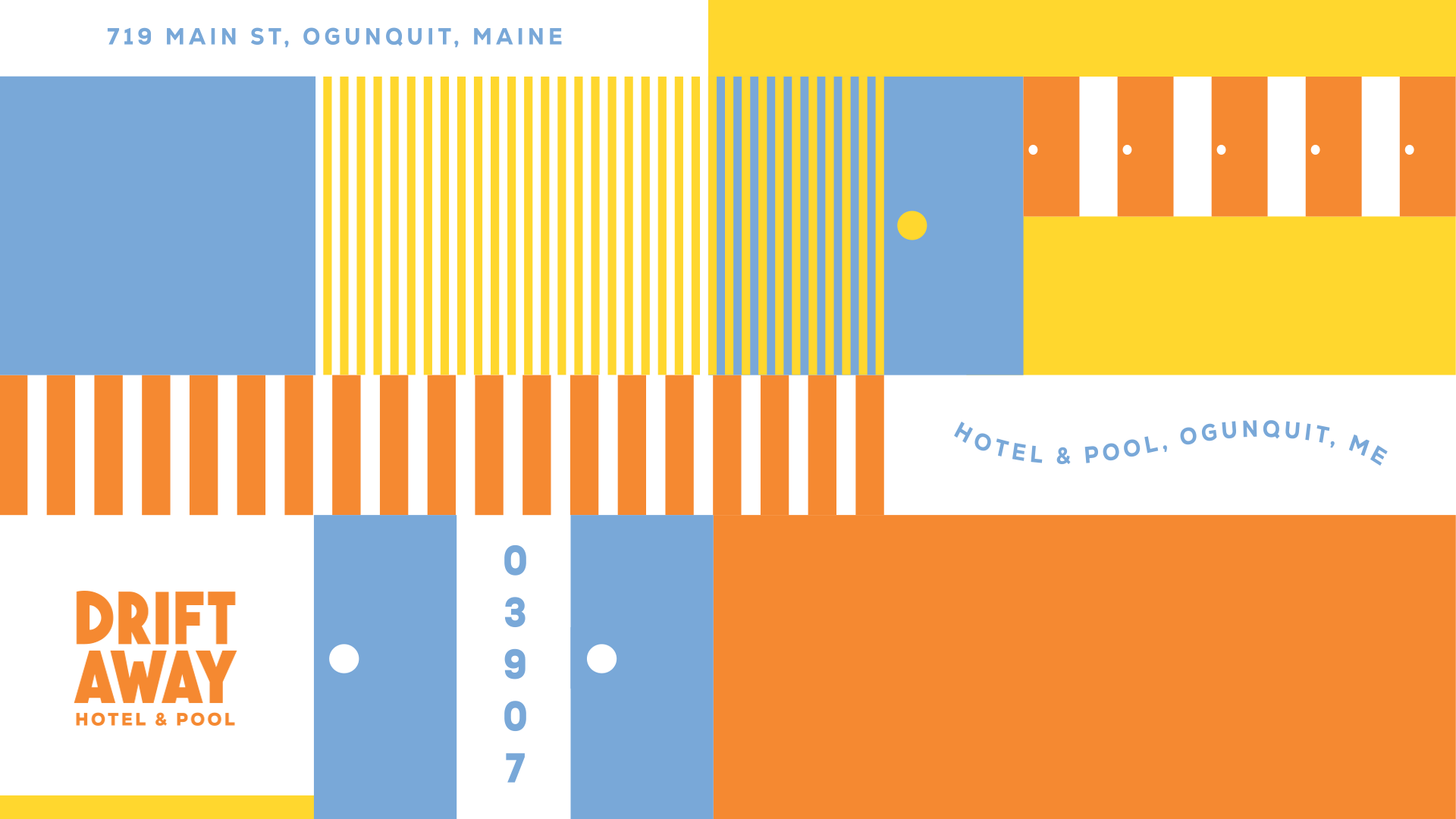
A recent example is Driftaway Hotel & Pool in Ogunquit, Maine. In a seaside village where most hotels lean on nautical clichés and old New England tropes, the name had to work harder. It needed to be immediately distinct from every “Harborview” and “Seaside Inn” on the strip, while conveying something true about the experience: a fun, family-friendly resort where the pool is the star and the whole point is to let the stress of daily life float away. Driftaway does all of that at once. It’s rooted in a real feeling — the one you get the moment you stop checking your phone. It’s impossible to confuse with anything else in the market. And it’s dimensional enough to live on a cabana rental, a cocktail menu, or a kids’ program without ever feeling like a stretch.

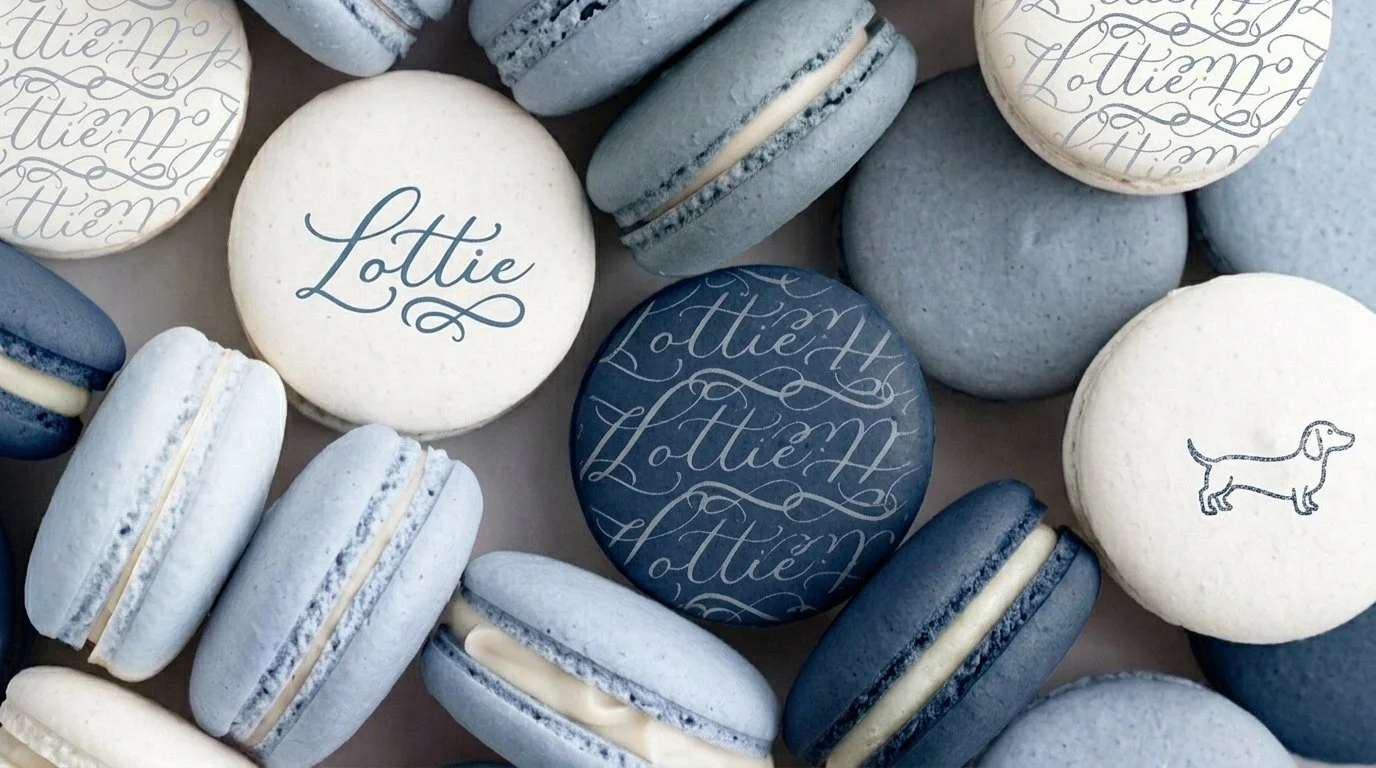
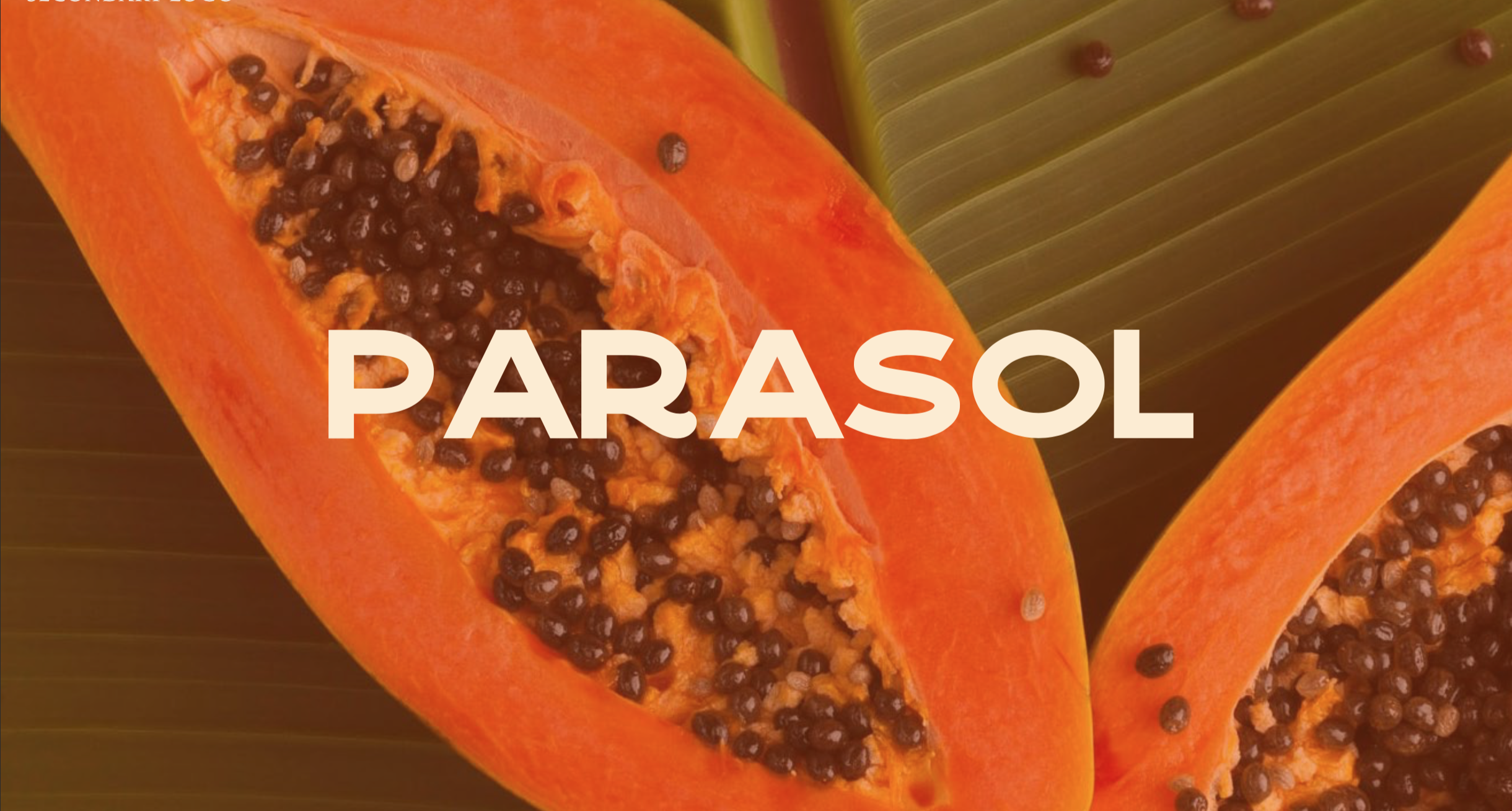
At the Vinoy Resort & Golf Club in St. Petersburg, Florida, a 1929 landmark returned to life after a full restoration, the master brand was only the starting point. Every new restaurant and bar needed its own name, one that felt native to the property: rooted in its history, distinct enough to stand alone, evocative enough to become a destination in its own right. The result was a family of names that together enhance the overall experience — Lottie, a French-style patisserie tucked into the main lobby, named with the kind of quiet charm that makes you feel like you’ve discovered something; Veranda, framing the hotel’s iconic outdoor experience; Parasol, a poolside restaurant that conjures shade, leisure, and a certain unhurried afternoon.
What should you avoid? The expectation of instant love. The pressure to be descriptive — “Luxury Coastal Resort” says everything and means nothing. And the impulse to crowdsource the decision: the more people you ask, the more the name gets sanded down toward whatever offends less and excites no one. The best names open a door — they don’t label what’s behind it.
Keep your decision group small. Evaluate candidates on strategic merit, not gut reaction. And when you land on the right one, resist the urge to second-guess it just because it doesn’t feel finished yet.
It isn’t finished. That’s the point. Your brand will finish it.
Great names, like great architecture, don’t announce themselves — they anchor the story. The right name is the foundation. Everything you build on top of it is what makes it legendary.
Ready to build a strong brand? Let’s start with the foundation.